
What is valvular heart disease?
Heart valve disease – valvulopathy – occurs when the valves of the heart become diseased or damaged, affecting the blood flow through the body and putting extra strain on the heart.
Treatment for valvular heart disease will depend on the severity of your condition. It typically involves medication, but may need surgery to repair or replace the valve.
These treatments are available at our leading cardiology centre at Royal Brompton Hospital.
Experts in valvular heart disease
Our experts in heart health provide:
- short-notice appointments, in as little as 24 hours
- fast access to scans and diagnostics
- access to leading minimally invasive procedures

There are 2 main types of valvular heart disease:
Types of valvular heart disease
Valve stenosis
This occurs when the valve becomes narrowed or doesn’t open properly, restricting blood flow through the valve.
Valve regurgitation
This occurs when the valve does not close in a normal way, causing the blood to flow backwards or leak through the valve. This condition is also known as ‘valve incompetence’, or ‘leaky valve’. If it the mitral valve is affected, this is called mitral regurgitation.
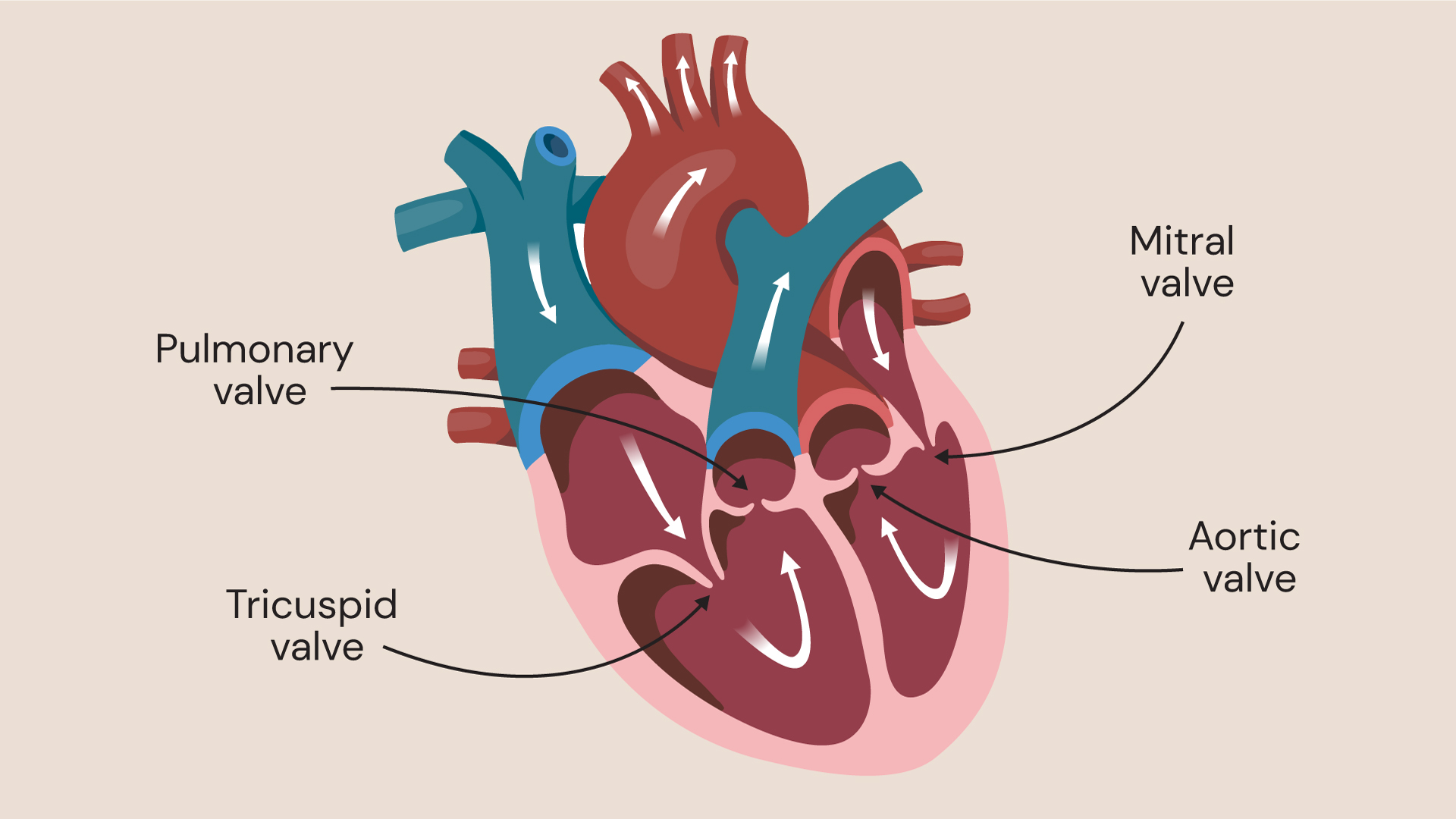
The heart has 4 valves; pulmonary valve, mitral valve, tricuspid valve, and aortic valve
Which heart valves can be affected?
Valvular heart disease can affect one or more of the four heart valves:
- tricuspid valve – opens to allow blood to flow from the right atrium to right ventricle
- pulmonary valve – opens to allow blood to be pumped from the heart to the lungs
- mitral valve – opens to allow oxygen-rich blood to pass from left atrium to left ventricle
- aortic valve – opens to allow oxygen-rich blood to leave the heart and circulate to the body
If you’re seeking a diagnosis of valvular heart disease, get in touch to book an appointment.
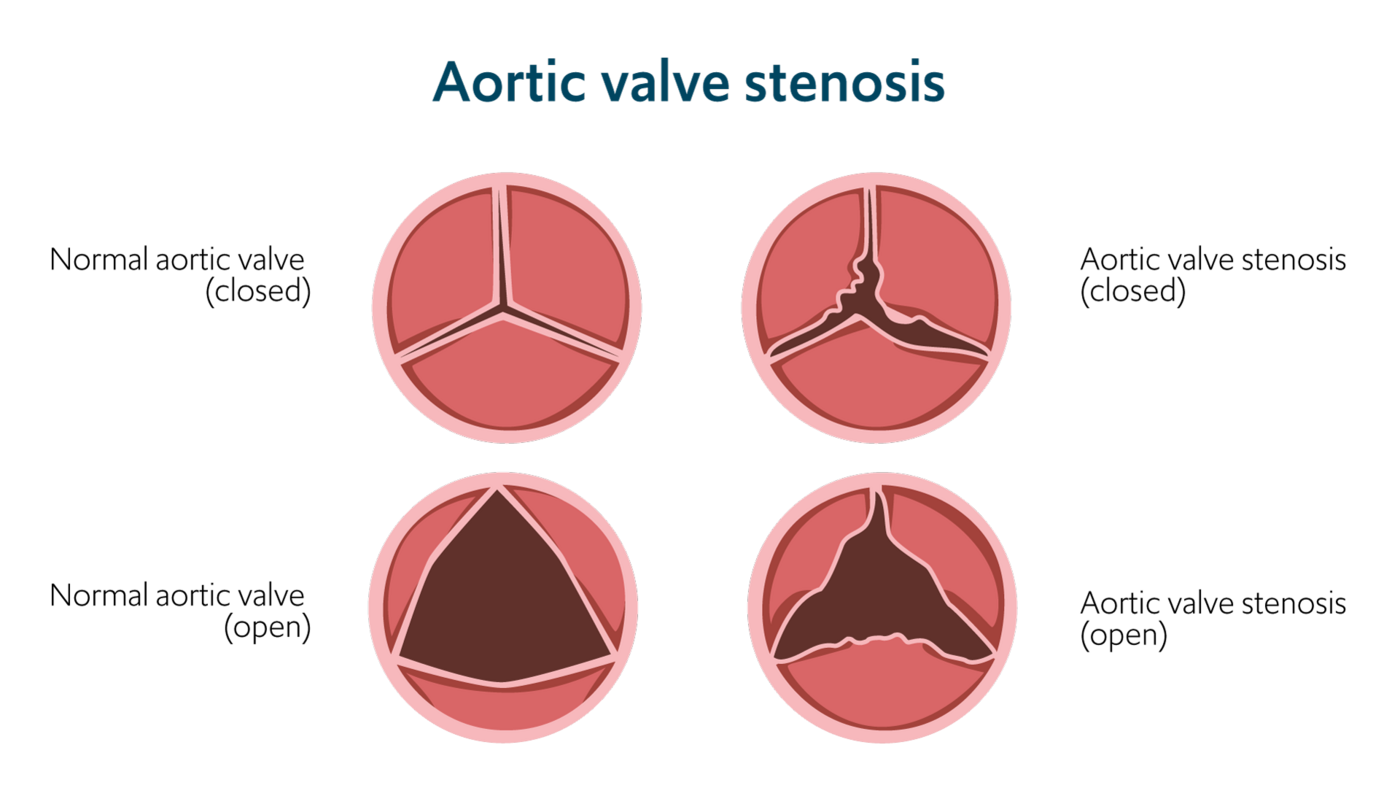
Aortic valve stenosis occurs when the valve becomes narrowed or doesn’t open properly, restricting blood flow through the valve
Valvular heart disease symptoms
The symptoms of valvular heart disease depend on which valve has been affected and the extent to which it has narrowed or is leaking. Minor valvular damage may cause no visible symptoms.
The main symptoms are:
- shortness of breath
- fatigue
- dizziness or fainting spells
- chest pain or angina
- heart palpitations
- swelling of the ankles and feet
If you’re experiencing any of the above symptoms, contact our team.
What causes valvular heart disease ?
The most common cause of valvular heart disease is rheumatic fever, which often follows an infection with streptococcus. This is where the natural antibodies produced by the body to fight the infection start attacking parts of the body, including the heart valves.
Other causes include:
- congenital heart disease – being born with one or more faulty valves
- cardiomyopathy – disease of the heart muscle
- damage to the heart muscle as a result of heart attack
- previous rare diseases and infections
Diagnosing valvular heart disease
In order to diagnose valvular heart disease, a range of tests may be used:
- echocardiography
- transesophageal echocardiography
- cardiac catheterisation (also called an angiogram)
- radionuclide scans
- magnetic resonance imaging (MRI)
Valvular heart disease treatment
Treatment of valvular heart disease will depend on the severity of the valvular damage and the affect it is having on the heart.
Treatment typically involves medication to ease the symptoms and, in some cases, surgery to repair or replace the damaged heart valve.
Reviewed regularly to reflect clinical best practice
Last reviewed: 18 May 2026
Locations
Our cardiology specialists provide care for valvular heart disease at the following location:
Explore our team of cardiology specialists
Meet our team of cardiologists specialising in aortic aneurysm. Whether it’s maintaining heart health or implementing innovative interventions, our experts are here to offer personalised care tailored just for you.