
Content verified by

What is restless legs syndrome?
Restless legs syndrome (RLS) is a common sleep-related movement disorder which is characterised by an uncomfortable or unpleasant urge to move your legs. People typically experience symptoms while at rest or inactivity – especially in the evening, with the sensation temporarily relieved by moving.
Most people with RLS experience characteristic limb movements during sleep, known as periodic limb movements of sleep (PLMS). These movements may or may not wake you up but can result in excessive daytime sleepiness.
The underlying cause of RLS is not completely understood, but studies suggest there may be abnormalities in your brain and nerves outside of the brain. Treatment can include lifestyle changes, iron supplementation and medical therapy, depending on your personal needs.
At Royal Brompton and Harefield hospitals, our world-leading sleep experts can provide an accurate diagnosis and develop personalised management plans to help minimise symptoms and improve your sleep quality.
Experts in restless legs syndrome
Our consultants offer:
- short-notice appointment, available in as little as 24 hours
- fast, accurate diagnosis with advanced sleep studies
- personalised and effective treatment plans

The main symptom of RLS is an unpleasant or uncomfortable urge to move your legs, which occasionally affects your arms as well. This sensation usually arises during periods of inactivity and is most prominent in the evening. It is commonly felt deep within the legs, most often between the knee and ankle, and is temporarily relieved with movement.
Patients often find that the sensation is difficult to describe. Common descriptors include:
- crawling
- throbbing
- aching
- pulling
- creeping
- itching
- tingling
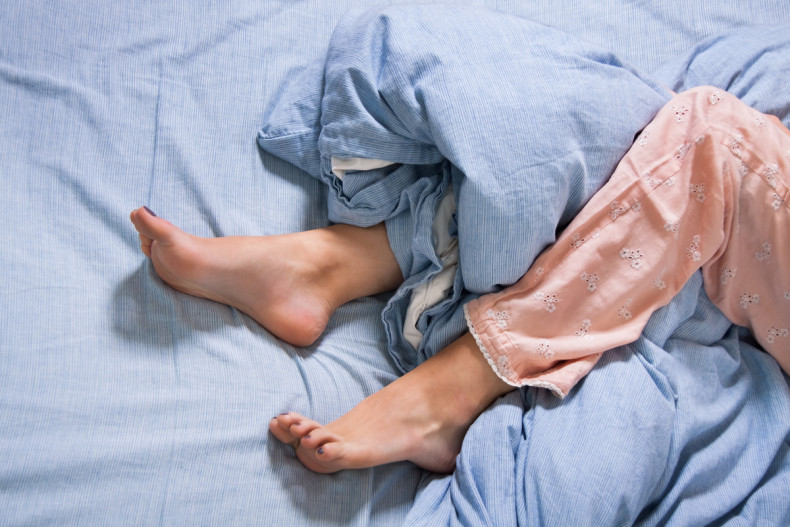
Symptoms of restless legs syndrome can include a crawling or creeping sensation in your legs
If you would like to speak to one of our consultants in sleep medicine about your symptoms, contact our team to book an appointment.
What causes restless legs syndrome?
The underlying cause of RLS is not yet clear. However, research suggests that it involves changes in both the brain and the nerves outside of your brain (called your peripheral nervous system). Several key factors are thought to play a role in the condition and these are listed below.
1.) Low iron in the brain
Iron is important for the healthy functioning of your brain and to control movement. People with RLS often have lower iron levels in certain parts of the brain that may disrupt brain activity and lead to RLS symptoms. This can be the case even if your blood tests show normal iron levels.
2.) Dopamine system changes
Dopamine is a chemical in the brain that helps control movement. Although studies haven’t found clear signs of dopamine deficiency in the brains of people with RLS, medications that affect dopamine do improve symptoms and so suggests a role. It is likely that the way dopamine works in the brain is altered in people with RLS, especially in relation to the circadian rhythm (your body’s internal clock), which may explain why symptoms are worse at night.
3.) Changes in the thalamus and brain connections
The thalamus is the part of your brain that helps process sensations including touch. Imaging studies have shown changes in the thalamus and how different parts of the brain communicate in people with RLS, which may help explain why the urge to move is so strong.
4.) Nerve and circulation changes in the legs
People with RLS may show signs of changes in how the nerves in their legs respond to pain or pressure, as well as reduced blood flow to their leg muscles. This could contribute to the feelings of discomfort at rest.
5.) Genetics and family history
RLS tends to run in families (inherited), meaning that if you have a close family member with the condition you also may be more likely to have it. Although no single gene has been found to cause RLS, there may be many small genetic differences that can increase a person’s risk of having the condition.
Who is at risk of restless legs syndrome?
RLS can occur in anyone at any age. However, there are several factors that may increase your risk of developing RLS. These include:
- family history: a family history of RLS is reported in 40% to 60% of people with RLS
- female sex: RLS is more common in women, particularly during childbearing years
- low iron stores: low iron levels, particularly in the brain, are strongly associated with RLS
- medications: certain medications are known to trigger RLS symptoms or make it worse. These can include centrally acting antihistamines, dopamine receptor-blocking agents and antidepressants
- older age: the chances of having RLS generally increases with age
- pregnancy: up to 1 in 4 pregnant women experience RLS, with symptoms often worsening as the pregnancy progress
Diagnosing restless legs syndrome
Diagnosing RLS or PMLS usually begins with an examination of your medical history and symptoms. Sometimes, we advise a blood test to rule out or confirm iron deficiency as the underlying cause.
We may also conduct a sleep study to monitor and record any leg movements that happen while you are sleeping.
As symptoms can be subtle and overlap with other conditions, diagnosing RLS can be challenging. You may need to have several investigative tests to confirm a diagnosis.
If you’re looking for a fast and accurate diagnosis of restless legs syndrome, please speak to a member of our team who can arrange an appointment with one of our consultants.
Restless legs syndrome treatment
RLS can be treated, with many people responding well to medications. Our main goal is to reduce or eliminate your symptoms, improve symptoms and support better daytime cognitive function and overall quality of life.
Lifestyle changes
For mild symptoms, lifestyle changes can make a big difference. These include:
- avoiding substances and medications that can make RLS worse, such as antihistamines, antidepressants and anti-nausea drugs. Always speak to your doctor before starting any new medications or stopping any existing medications
- exercising regularly: light to moderate activity such as walking or cycling can help, but you should avoid very intense workouts as they may worsen your symptoms
- maintaining good sleep habits: sticking to a regular sleep schedule, avoid caffeine in the evening and limiting screen time (phone, table, TV) can all help
- relaxation techniques: a warm bath, leg massage or a cold compress may provide short-term relief. Mindfulness or relaxation techniques to reduce stress can also help
- staying mentally engaged: keeping your mind active with things like games, puzzles or reading may help reduce symptoms, particularly during rest
Medical treatments
If lifestyle changes are not enough, we may prescribe medications to help control your symptoms. We may recommend iron supplements if our tests show that you have low levels. We may also consider prescribing gabapentinoid or dopamine like medications.
With the right combination of treatments and support, most people with RLS can manage their symptoms effectively and improve their sleep and daily life.
If you would like to speak to one of our consultants about treatments for restless legs syndrome, contact our team to book an appointment.
Locations
Meet our team of sleep specialists
Our team understands the complexities of restless legs syndrome and will work to provide you with a bespoke management plan that offers you relief.