
Content verified by

What is a coronary sinus reduction?
The coronary sinus is the main vein that drains deoxygenated blood from the heart. Reducer implantation is a minimally invasive procedure, performed under sedation, in which a small hourglass-shaped Reducer device is introduced into the coronary sinus.
Coronary sinus reduction is an innovative treatment for refractory angina. Research is ongoing, but interim results confirm that Reducer implantation has an excellent safety profile.
Our specialists at Harefield and Royal Brompton hospitals are leaders in the treatment of complex heart conditions, including refractory angina, and are internationally recognised among the best in the world for heart care.
Experts in coronary sinus reduction
Our world-renowned cardiologists offer:
- short-notice appointments, in as little as 24 hours
- specialist treatment for refractory angina to improve your quality of life
- fast access to all cardiac treatment options

What is refractory angina?
Angina is pain or tightness in the chest when not enough blood reaches the heart muscle. It is usually caused by coronary heart disease, where the blood vessels supplying the heart muscle with oxygen-rich blood are narrowed or blocked by the build-up of fatty deposits.
There are a range of excellent treatments for angina, including medications, angioplasty to open up the blood vessels followed by stent insertion, and bypass surgery. However, sometimes despite optimum treatment, you may still get angina symptoms. This is known as refractory angina.
Refractory angina is a challenging condition for patients and doctors. It causes pain, stops you from performing normal daily activities and often leads to repeated hospitalisations. This leads to significantly reduced quality of life and is frequently associated with anxiety and depression.
Indicators of refractory angina include:
- chronic angina-type chest pain for 3 months or more
- history of coronary artery disease
- pain associated with reversible ischaemia (lack of oxygen to the heart muscle) that remains after treatment
Royal Brompton and Harefield hospitals are among a small number of international centres offering this innovative treatment for refractory angina, with extensive experience of the procedure.
If you have been told your angina has not responded to treatment, get in touch with our team to book an appointment.

Early research studies indicate that coronary sinus reduction is safe, decreasing distressing angina symptoms in up to eight in ten patients as well as improving quality of life.
In late 2021, NICE (National Institute for Health and Care Excellence) said:
Coronary sinus narrowing device implantation is indicated for people in whom other treatment options (medical or surgical) have failed or are not possible (refractory angina). The aim is to reduce symptoms and to improve quality of life.
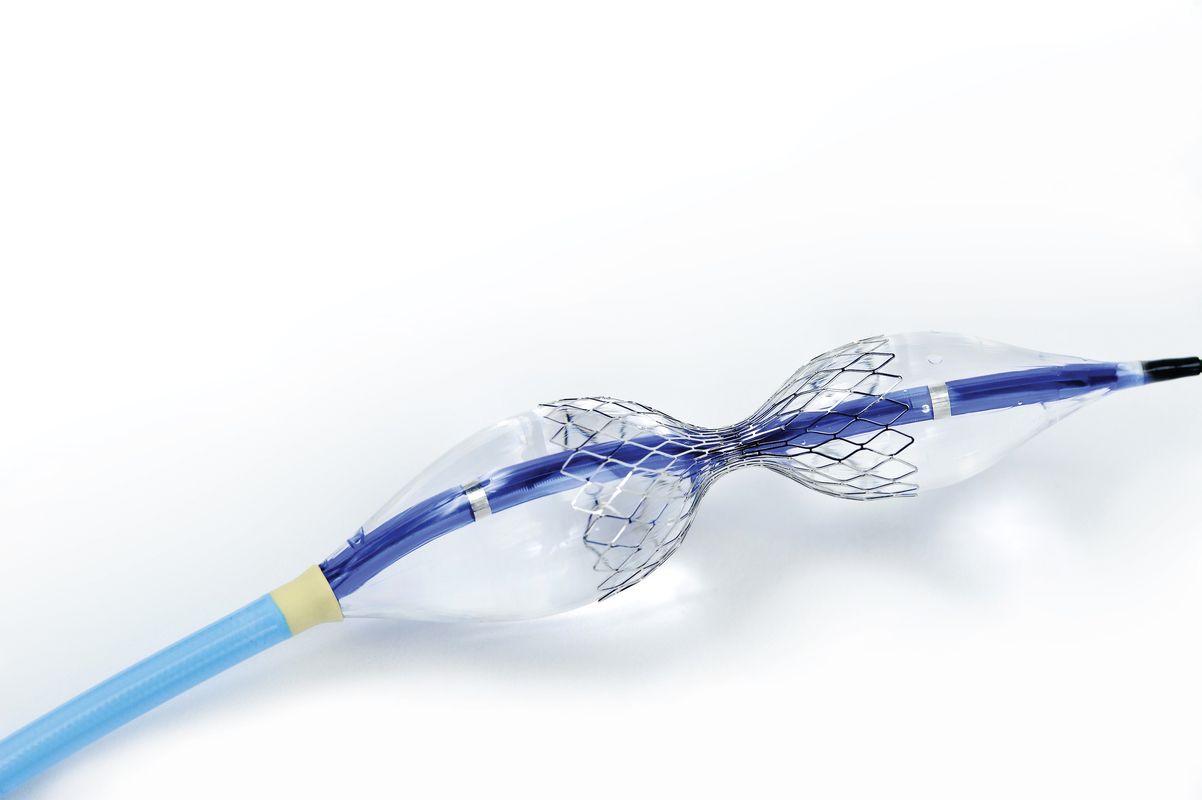
The Reducer device increases blood pressure within the coronary sinus, resulting in improved distribution of oxygenated blood into those areas of heart muscle where it is needed and eases symptoms of angina.
What happens in coronary sinus reduction
Coronary sinus reduction is a quick, safe and minimally invasive procedure that usually takes less than 60 minutes to complete, with patients often discharged the same day.
The specialist interventional cardiologist will perform coronary sinus reduction in the cardiac catheter laboratory, as with angiograms or stenting procedures.
A small incision is made in the skin over your neck to access the underlying vein using ultrasound guidance. A fine flexible tube called a catheter is introduced and placed into the coronary sinus under X-ray guidance.
The Reducer, an hourglass-shaped device which is mounted on a balloon catheter, is positioned in the coronary sinus and gently inflated after which the balloon catheter is de-inflated and withdrawn. A dressing will be placed over the incision site after withdrawal of the catheter.
Over time, narrowing of the coronary sinus occurs which increases the pressure of the venous blood draining from the heart muscle.
We have one of the largest worldwide experiences of coronary sinus reducer implantation and are very pleased to report that in our patients with refractory angina and very complex coronary artery disease, we have seen that angina and quality of life improves in around 80% of patients after this treatment. We are currently leading research investigating how the Reducer affects blood flow in the heart.
If you would like to speak to one of our consultants, contact our team to book an appointment.
What are the risks of coronary sinus reduction?
Coronary sinus reduction is an innovative treatment for refractory angina. Research is ongoing, but interim results from the REDUCER-I and RESOURCE registries confirm that the Reducer implantation has an excellent safety profile, and complications are rare.
These studies also demonstrated a sustained improvement in angina severity and in quality of life for up to two years.
However, all procedures come with risks. Your specialist team will talk you through the pros and cons of treatment in your case. The risks of coronary sinus reduction include:
- bleeding and bruising at the insertion site
- infection at the insertion site
- perforation of the coronary sinus
- blood clot formation that blocks the coronary sinus – your consultant will prescribe antiplatelet medication to protect against a blood clot
- migration of the device from its position
To discuss the benefits and risks of coronary sinus reduction with one of our specialists, get in touch to book an appointment.
Reviewed regularly to reflect clinical best practice
Last reviewed: 28 April 2026
Locations
Coronary sinus reduction is available in the following locations:
Explore our team of cardiology specialists
Meet our team of renowned cardiology experts. From cardiovascular health assessments to innovative interventions, our experts are committed to delivering personalised care designed just for you.