
Content verified by

What is an anal fissure?
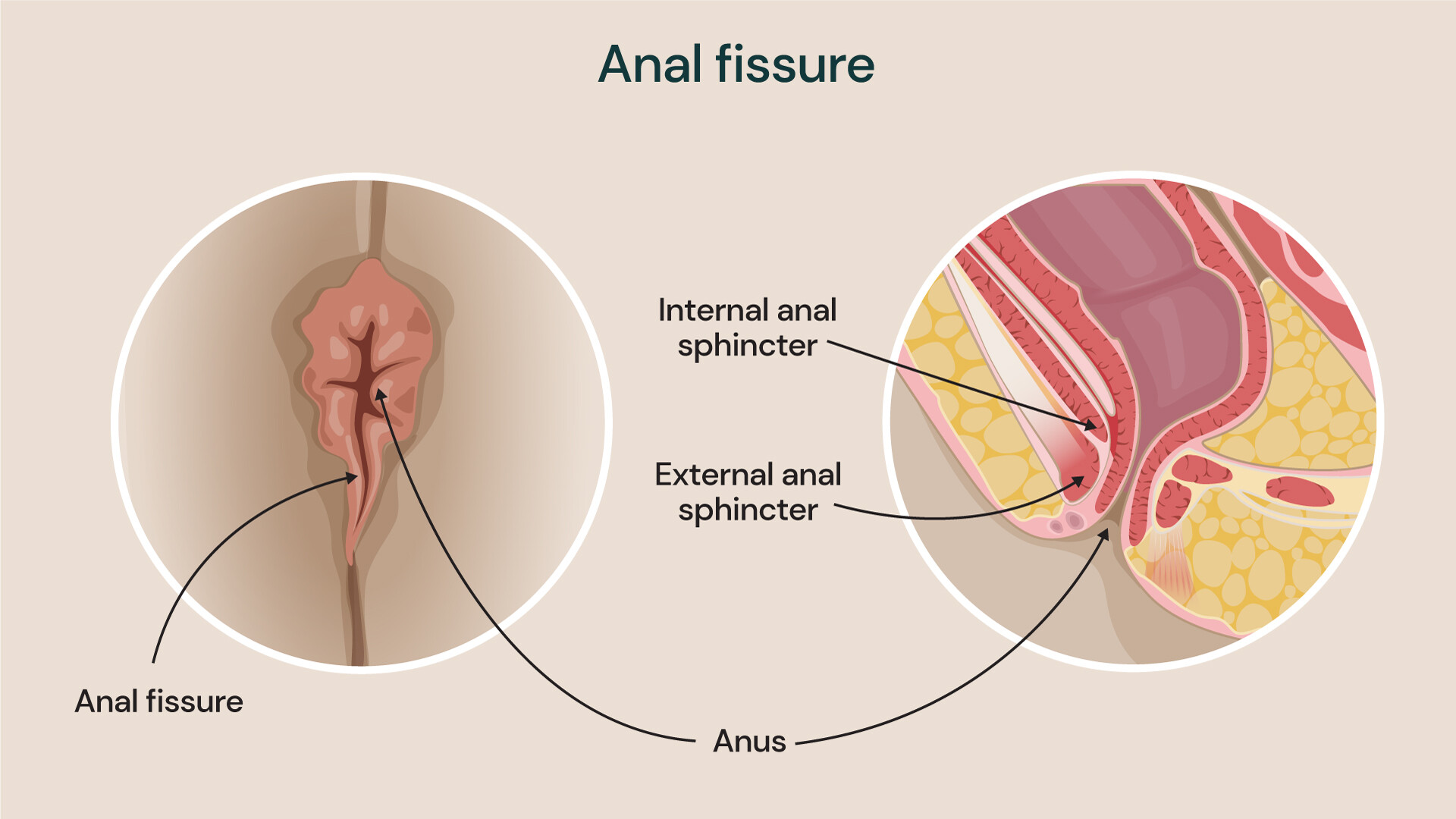
An anal fissure is a small tear in the skin around your bottom. It can be painful, especially when you go to the toilet, and you might notice blood when you wipe. Anal fissures are quite common in both adults and children. They often happen after passing a hard or large stool (poo).
Most anal fissures heal on their own within a few weeks. Simple treatments such as increasing fibre and fluid in your diet can make a difference. If the fissure doesn’t heal on its own, personalised medical treatment can help the area heal properly.
At Guy’s and St Thomas’ Specialist Care, our experienced gastrointestinal (GI) specialists support adults and children with anal fissures. We’ll listen to your symptoms, help ease your discomfort and offer the most appropriate treatment to promote healing as quickly and comfortably as possible.
Experts in gastroenterology
Our GI specialists offer expert diagnosis and personalised treatment for adults and children with anal fissures. We provide fast, accurate diagnosis and effective gastroenterology care including:
- personalised treatment plans for anal fissures
- minimally invasive treatments to aid healing
- short notice appointments with a fast, accurate diagnosis

Symptoms of anal fissures
The main symptom of an anal fissure is pain during or after passing stool. This pain can be sharp or burning and may last for a few minutes to an hour. You might also notice a small amount of bright red blood on the toilet paper or in the stool. Some people describe a visible tear or crack around the anus, and the area may feel itchy, sore or uncomfortable.
Anal fissures can happen at any age. In children, they often occur because of constipation or passing hard stools, which can make going to the toilet painful.
If you or your child are experiencing symptoms of an anal fissure, speak to one of our gastrointestinal specialists. We can assess your symptoms, find the cause and recommend treatments to help you heal comfortably.
Causes of anal fissures
Anal fissures usually happen when the skin around your bottom becomes stretched or damaged. This often occurs when passing a large or hard stool, but there are several other possible causes.
Common causes include:
- constipation or straining during bowel movements
- passing large or hard stools
- tight or overactive anal muscles, which can reduce blood flow and make the skin more likely to tear
- chronic (long-term) diarrhoea
- childbirth or injury to the anal area
- inflammatory bowel conditions, such as Crohn’s disease
In babies and children, constipation is the most common cause. Their stools can become hard if they are dehydrated or not eating enough fibre, making it painful to pass stool.
If you feel you or your child may be at an increased risk of anal fissures, our specialists can help identify the cause and offer practical treatments to prevent further discomfort. Contact our customer care team to find out more about the care our specialists can provide.
Diagnosing anal fissures
We can usually diagnose an anal fissure by examining the area around your bottom and asking about your symptoms. This examination helps confirm whether the tear is recent or has been there for some time. In most cases, no further tests are needed.
If your symptoms have lasted longer than a few weeks or are linked to another condition, such as inflammatory bowel disease (IBD), your specialist may recommend further investigations. These could include minor procedures, like a sigmoidoscopy, which allows us to see inside the lower part of your bowel using a small flexible tube with a camera on one end.
If you’re looking for a quick diagnosis, our experienced gastrointestinal specialists can provide same-day assessments in a calm and supportive environment. We’ll take the time to listen to your concerns and explain the next steps clearly.
Anal fissure treatment
Most anal fissures heal naturally with simple treatments that help the area recover and reduce pain. Warm baths can soothe the area, ease discomfort and promote healing.
We may also recommend increasing fibre and fluids in your diet, using stool softeners to make bowel movements easier, and applying soothing creams or ointments to relax the muscles and improve blood flow.
If your fissure doesn’t heal with these measures, further treatments can help. These can include prescription creams or injections that relax the anal muscle, allowing the skin to heal.
In some cases, a minor surgical procedure may be advised to release the tight muscle and prevent the fissure from returning.
At Guy’s and St Thomas’ Specialist Care, our gastrointestinal experts treat both adults and children with tailored care to relieve pain and support long-term healing.
If you would like to speak to one of our consultants about treatment options, our friendly team will be happy to help you arrange an appointment and talk through the best next steps for your care. Contact our customer care team to learn more.
Discover our team of gastroenterology specialists
Our caring team of gastrointestinal specialists provide expert diagnosis and treatment for adults and children with anal fissures. We’ll guide you through every step of your care, helping you feel comfortable, supported and confident in your recovery.